

Electroplating wastewater treatment equipment
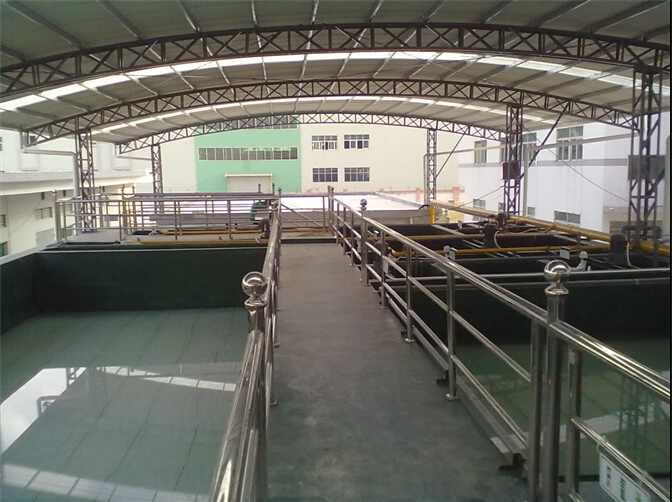
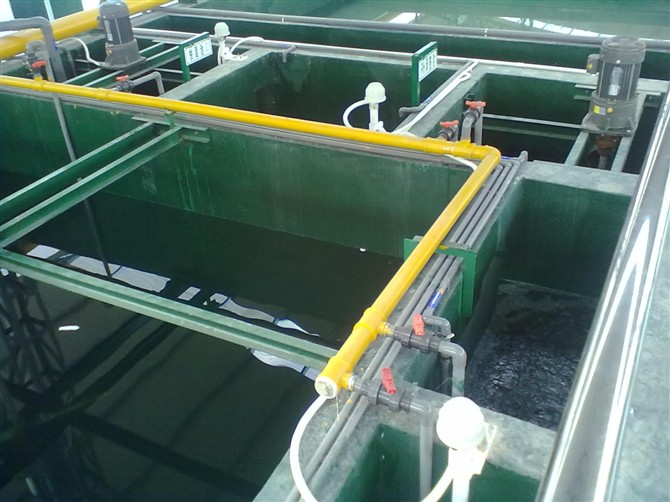
1、 Electroplating wastewater treatment equipment, methods and principles
1. Used to adjust pH value: weak acid, weak alkali, strong acid, strong alkali, quicklime, etc.
2. Flocculation: polyaluminum chloride, polyaluminum ferric chloride, polyacrylamide, etc.
3. Regulation of bacterial nutrition: disodium hydrogen phosphate, urea, etc
4. Disinfection and decolorization: sodium hypochlorite, ozone, etc
2、 Electroplating process, wastewater source and water quality
1. Electroplating process is the process of plating metal on the surface of products by electrolysis. The commonly used plating methods are nickel plating, copper plating, chromium plating, zinc plating, cadmium plating, lead plating, silver plating, tin plating and gold plating.
2. Main sources of wastewater: 1. Washing water for plating parts. About 80%. 2. The washing water and waste plating solution are filtered. 3. The waste liquid discharged from electroplating workshop is "running, emitting, dripping and leaking".
3. Harm of electroplating wastewater: in terms of the total amount of electroplating wastewater, such as papermaking, printing and dyeing, chemical industry and other industries, the amount of water is small and the pollution area is narrow. However, due to the wide distribution of electroplating plants, there are many kinds of high toxic substances in the wastewater, so the harm is great. The untreated electroplating wastewater is discharged into rivers and ponds and infiltrates into the ground, which will not only harm the environment, but also pollute the drinking water and industrial water. Electroplating wastewater contains chromium, zinc, copper, cadmium, lead, nickel and other heavy metal ions, as well as acid, alkali cyanide and other toxic impurities. Some of them are carcinogenic and aberrant toxic substances. Therefore, they must be treated seriously to avoid harm to people.
3、 Treatment technology of electroplating wastewater treatment equipment
1. Chemical precipitation is a method to convert dissolved heavy metals into insoluble heavy metal compounds, including neutralization precipitation and sulfide precipitation.
2. Neutralization and precipitation method: add alkali to the wastewater containing heavy metals for neutralization reaction, so that the heavy metals can be separated into hydroxides insoluble in water. Neutralization precipitation is a common method for wastewater treatment because of its simple operation. Practice has proved that the following points should be paid attention to in the operation:
(1) After neutralization and sedimentation, if the pH value of wastewater is high, it can be discharged after neutralization treatment;
(2) When the wastewater contains amphoteric metals such as Zn, Pb, Sn and Al, the pH value is high and there may be a tendency of re dissolution. Therefore, it is necessary to strictly control the pH value and carry out subsection precipitation;
(3) Some anions in wastewater, such as halogen, cyanogen and humic substance, may form complexes with heavy metals, so they need to be pretreated before neutralization;
(4) Some particles are small and difficult to precipitate, so flocculant should be added to assist precipitation.